The Shim
In 2023 I fractured a vertebra, and for two years I was sure I knew what my back could and couldn't do. I was wrong — and I only found out because a dream I'd half-given-up on talked me into trying something different
In 2023 I fractured a vertebra and herniated a couple of discs. I recovered most of what I'd lost, but not all of it. Long rides came with a new ache that hadn't been there before, and it got worse the harder I dropped into an aero position. I bought a new bike hoping the change would help; the new geometry made it worse. I went through six different handlebar and stem combinations before I found something I could tolerate.
Tolerate was the word. Three, maybe four hours in the saddle, and then the ache would start. So I accepted it. This was my back now. I could do three or four hours and that was it. I stopped asking whether it could be different.
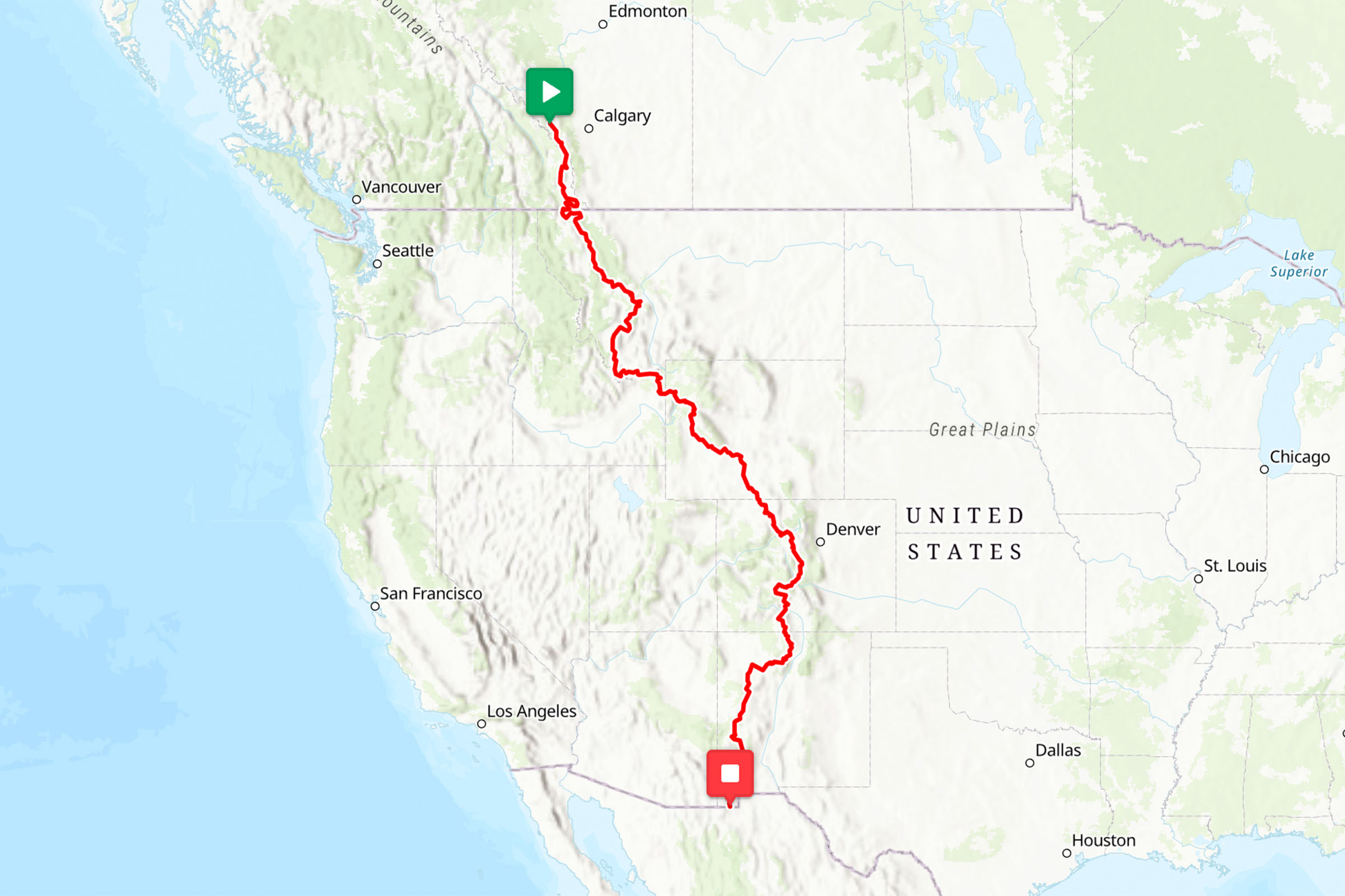
What I want to be honest about is that I didn't just accept it — I gave up on more. Quietly. I have a dream of riding the Tour Divide someday, the race that runs from Canada down the spine of the Rockies to New Mexico. With a back that quit on me at hour four, that dream wasn't realistic, so I shelved it. I didn't make a big thing of it. I just stopped believing it was for me and focus on the fact that I was riding at all.
About a year ago I had a bike fit with Lisa at FullGas. She looked at a small shim I'd been running under my right shoe for almost a decade — three or four millimeters, the kind of thing you forget is even there — and told me she thought it was on the wrong foot. I didn't really believe her. I'd worn that shim so long it had stopped feeling like a choice. So I split the difference: I wouldn't move it like she said, but I'd pull it out and see.
I took it out about six months ago. Things felt fine, but I wasn't doing any long rides at the time, so I had no real way to know if anything had changed.
Then an ultra-distance gravel race showed up on the calendar — 265 miles, twenty-plus hours of riding. Honestly, I almost didn't enter. But the Tour Divide dream still had a hold on me, and I figured I had nothing to lose. Worst case, my back acts up and I drop out. So I signed up, planned to ride on aero bars, and hoped the position would hold.
I had to cut the race short — but not because of my back. My back felt great. For the first time in two years, the thing I'd built my whole riding life around just wasn't there. What stopped me was my right knee. It started aching around hour six and was screaming by hour fifteen. The next day I had eight more hours to finish the 275 miles, and I made it four before the knee forced me to quit.
That was in March. I rested the knee for a few weeks, then rode a century with friends. Around mile eighty, the knee started up again.
So I figured I'd come off the shim too quickly, and I decided to put it back in and wean off it gradually this time. I slid it back under my right shoe — and right away my lower back went achy again. The old familiar ache, back after I put the shim in.
That's when it finally clicked. The shim had been part of my back pain the whole time. Some of the ache was real — the fracture and the discs were genuine, and they genuinely hurt. But the shim had been quietly adding to it for years, stacked on top of the injury pain where I'd never think to look for it. Two things were going on at once, and the real one was hiding the other.
And the only reason I ever found out was that I tried something I almost didn't try.
That's the part I keep thinking about. For two years I thought I understood my back. And I wasn't entirely wrong — the injury was real, the pain was real. But I'd pinned all of it on the injury, because the injury was the obvious explanation and it was true as far as it went. It just wasn't the whole picture. There was a second cause sitting underneath the first one, and a true explanation was hiding a bigger one. I didn't know what I didn't know, and I couldn't have, because the shim was the last thing I'd have suspected.
I think we tell ourselves "don't give up" and picture gritting our teeth and pushing harder. But pushing harder wasn't my problem; I'd been doing that for years and it kept me exactly where I was. What actually changed things was smaller and a lot less heroic — a "what the heck, let's see" that I only acted on because a dream I'd half-buried still wouldn't completely leave me alone.
The Tour Divide is back on the table. Not because I got tougher. Because I was wrong about something I was sure of, and I only found out by trying.
So I'll keep trying things. You can't always tell which of your limits are real and which ones are just a three-millimeter mistake you forgot you were wearing.
Maybe one of yours is too.